Myelosuppression
ZEPZELCA can cause severe and fatal myelosuppression including febrile
neutropenia and sepsis, thrombocytopenia and anemia.
Administer ZEPZELCA only to patients with baseline neutrophil count of
at least 1,500 cells/mm3 and platelet count of at least 100,000/mm3.
To reduce the risk of febrile neutropenia during treatment with ZEPZELCA in
combination with atezolizumab or atezolizumab and hyaluronidase-tqjs,
administer granulocyte colony-stimulating factor (G-CSF). Monitor blood
counts including neutrophils, red blood cells and platelets prior to each
ZEPZELCA administration. For neutrophil count less than 500 cells/mm3 or
any value less than lower limit of normal, the use of G-CSF is recommended.
Withhold, reduce the dose, or permanently discontinue ZEPZELCA based on severity.
- ZEPZELCA with Intravenous Atezolizumab
-
-
In the IMforte study, primary prophylaxis of G-CSF was administered to 84% of patients. Based on laboratory values, decreased neutrophils occurred in 36%, including 18% Grade 3 or Grade 4 in patients who received ZEPZELCA in combination with atezolizumab. The median time to onset of Grade 3 and 4 decreased neutrophil cells was 31 days and a median duration of 10 days. Febrile neutropenia occurred in 1.7%. Sepsis occurred in 1%. There were 7 fatal infections: pneumonia (n=3), sepsis (n=3), and febrile neutropenia (n=1).
-
Based on laboratory values, decreased platelets occurred in 54%, including 15% Grade 3 or Grade 4 in patients who received ZEPZELCA in combination with atezolizumab. The median time to onset of Grade 3 and 4 decreased platelet cells was 31 days and a median duration of 12 days.
-
Based on laboratory values, decreased hemoglobin occurred in 51%, including 13% Grade 3 or Grade 4 in patients who received ZEPZELCA in combination with atezolizumab. The median time to onset of Grade 3 and 4 decreased hemoglobin was 64 days and a median duration of 8 days.
- ZEPZELCA as a Single Agent
-
-
In clinical studies of 554 patients with advanced solid tumors receiving ZEPZELCA as a single agent, Grade 3 or 4 neutropenia occurred in 41% of patients, with a median time to onset of 15 days and a median duration of 7 days. Febrile neutropenia occurred in 7% of patients. Sepsis occurred in 2% of patients and was fatal in 1% (all cases occurred in patients with solid tumors other than SCLC). Grade 3 or 4 thrombocytopenia occurred in 10%, with a median time to onset of 10 days and a median duration of 7 days. Grade 3 or 4 anemia occurred in 17% of patients.
Hepatotoxicity
ZEPZELCA can cause hepatotoxicity which may be severe.
Monitor liver function tests prior to initiating ZEPZELCA and periodically during treatment as clinically indicated. Withhold, reduce the dose, or permanently discontinue ZEPZELCA based on severity.
- ZEPZELCA with Intravenous Atezolizumab
-
-
In the IMforte study, based on laboratory values, increased alanine aminotransferase (ALT) occurred in 25%, including 3% Grade 3 or Grade 4 in patients who received ZEPZELCA in combination with atezolizumab. Increased aspartate aminotransferase (AST) occurred in 24% including 3% Grade 3 or Grade 4. The median time to onset of Grade ≥3 elevation in transaminases was 52 days (range: 6 to 337).
- ZEPZELCA as a Single Agent
-
-
In clinical studies of 554 patients with advanced solid tumors receiving ZEPZELCA as a single agent, Grade 3 elevations of ALT and AST were observed in 6% and 3% of patients, respectively, and Grade 4 elevations of ALT and AST were observed in 0.4% and 0.5% of patients, respectively. The median time to onset of Grade ≥3 elevation in transaminases was 8 days (range: 3 to 49), with a median duration of 7 days.
Extravasation Resulting in Tissue Necrosis
Extravasation of ZEPZELCA can cause skin and soft tissue injury, including necrosis requiring debridement. Consider use of a central venous catheter to reduce the risk of extravasation, particularly in patients with limited venous access. Monitor patients for signs and symptoms of extravasation during the ZEPZELCA infusion. If extravasation occurs, immediately discontinue the infusion, remove the infusion catheter, and monitor for signs and symptoms of tissue necrosis. The time to onset of necrosis after extravasation may vary.
- ZEPZELCA with Intravenous Atezolizumab
-
-
In the IMforte study, extravasation resulting in skin necrosis occurred in one patient who received ZEPZELCA in combination with atezolizumab.
Administer supportive care and consult with an appropriate medical specialist as needed for signs and symptoms of extravasation. Administer subsequent infusions at a site that was not affected by extravasation.
Rhabdomyolysis
Rhabdomyolysis has been reported in patients treated with ZEPZELCA.
Monitor creatine phosphokinase (CPK) prior to initiating ZEPZELCA and periodically during treatment as clinically indicated. Withhold or reduce the dose based on severity.
- ZEPZELCA with Intravenous Atezolizumab
-
-
In the IMforte study, among 235 patients who had a creatine phosphokinase laboratory evaluation, increased creatine phosphokinase occurred in 9% who received ZEPZELCA in combination with atezolizumab.
Embryo-Fetal Toxicity
ZEPZELCA can cause fetal harm when administered to a pregnant woman. Advise pregnant women of the potential risk to a fetus. Advise female patients of reproductive potential to use effective contraception during treatment with ZEPZELCA and for 7 months after the last dose. Advise male patients with female partners of reproductive potential to use effective contraception during treatment with ZEPZELCA and for 4 months after the last dose.
Lactation
There are no data on the presence of ZEPZELCA in human milk, however, because of the potential for serious adverse reactions from ZEPZELCA in breastfed children, advise women not to breastfeed during treatment with ZEPZELCA and for 2 weeks after the last dose.
ADVERSE REACTIONS
- ZEPZELCA with Intravenous Atezolizumab
-
-
Serious adverse reactions occurred in 31% of patients receiving ZEPZELCA in combination with atezolizumab. Serious adverse reactions occurring in >2% were pneumonia (2.5%), respiratory tract infections (2.1%), dyspnea (2.1%), and decreased platelet count (2.1%). Fatal adverse reactions occurred in 5% of patients receiving ZEPZELCA with atezolizumab including pneumonia (3 patients), sepsis (3 patients), cardio-respiratory arrest (2 patients), myocardial infarction (2 patients), and febrile neutropenia (1 patient).
-
The most common adverse reactions (≥30%), including laboratory abnormalities, in patients who received ZEPZELCA with atezolizumab were decreased lymphocytes (55%), decreased platelets (54%), decreased hemoglobin (51%), decreased neutrophils (36%), nausea (36%), and fatigue/asthenia (32%).
-
ZEPZELCA as a Single Agent
-
-
Serious adverse reactions occurred in 34% of patients who received ZEPZELCA. Serious adverse reactions in ≥3% of patients included pneumonia, febrile neutropenia, neutropenia, respiratory tract infection, anemia, dyspnea, and thrombocytopenia.
-
The most common adverse reactions, including laboratory abnormalities, (≥20%) are leukopenia (79%), lymphopenia (79%), fatigue (77%), anemia (74%), neutropenia (71%), increased creatinine (69%), increased alanine aminotransferase (66%), increased glucose (52%), thrombocytopenia (37%), nausea (37%), decreased appetite (33%), musculoskeletal pain (33%), decreased albumin (32%), constipation (31%), dyspnea (31%), decreased sodium (31%), increased aspartate aminotransferase (26%), vomiting (22%), decreased magnesium (22%), cough (20%), and diarrhea (20%).
DRUG INTERACTIONS
Effect of CYP3A Inhibitors and Inducers
Avoid coadministration with a strong or a moderate CYP3A inhibitor (including grapefruit and Seville oranges) as this increases lurbinectedin systemic exposure which may increase the incidence and severity of adverse reactions to ZEPZELCA. If coadministration cannot be avoided, reduce the ZEPZELCA dose as appropriate.
Avoid coadministration with a strong CYP3A inducer as it may decrease systemic exposure to lurbinectedin, which may decrease the efficacy of ZEPZELCA.
GERIATRIC USE
- ZEPZELCA with Intravenous Atezolizumab
-
-
Of the 242 patients with ES-SCLC treated with ZEPZELCA and atezolizumab in IMforte, 124 (51%) patients were 65 years of age and older, while 29 (12%) patients were 75 years of age and older. No overall differences in effectiveness were observed between older and younger patients. There was no overall difference in the incidence of serious adverse reactions in patients ≥65 years of age and patients <65 years of age (33% vs. 29%, respectively). There was a higher incidence of Grade 3 or 4 adverse reactions in patients ≥65 years of age compared to younger patients (45% vs. 31%, respectively).
- ZEPZELCA as a Single Agent
-
-
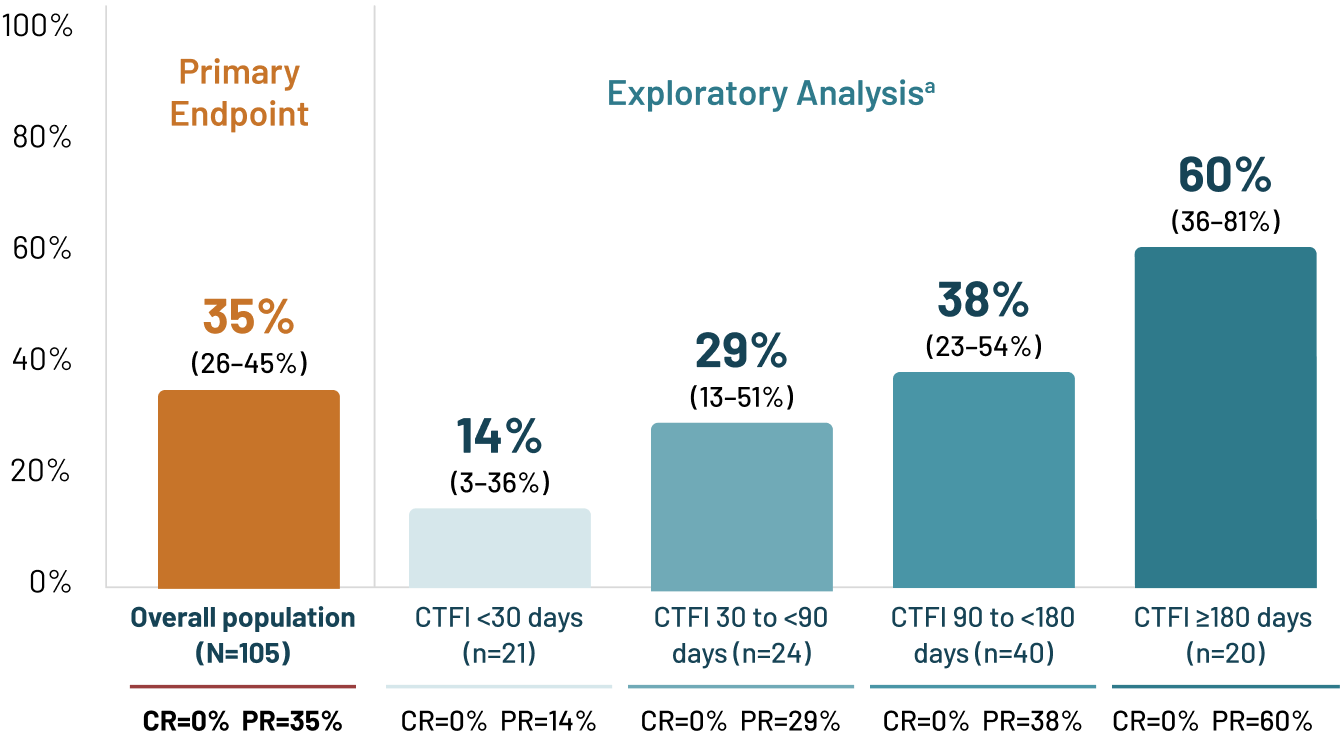
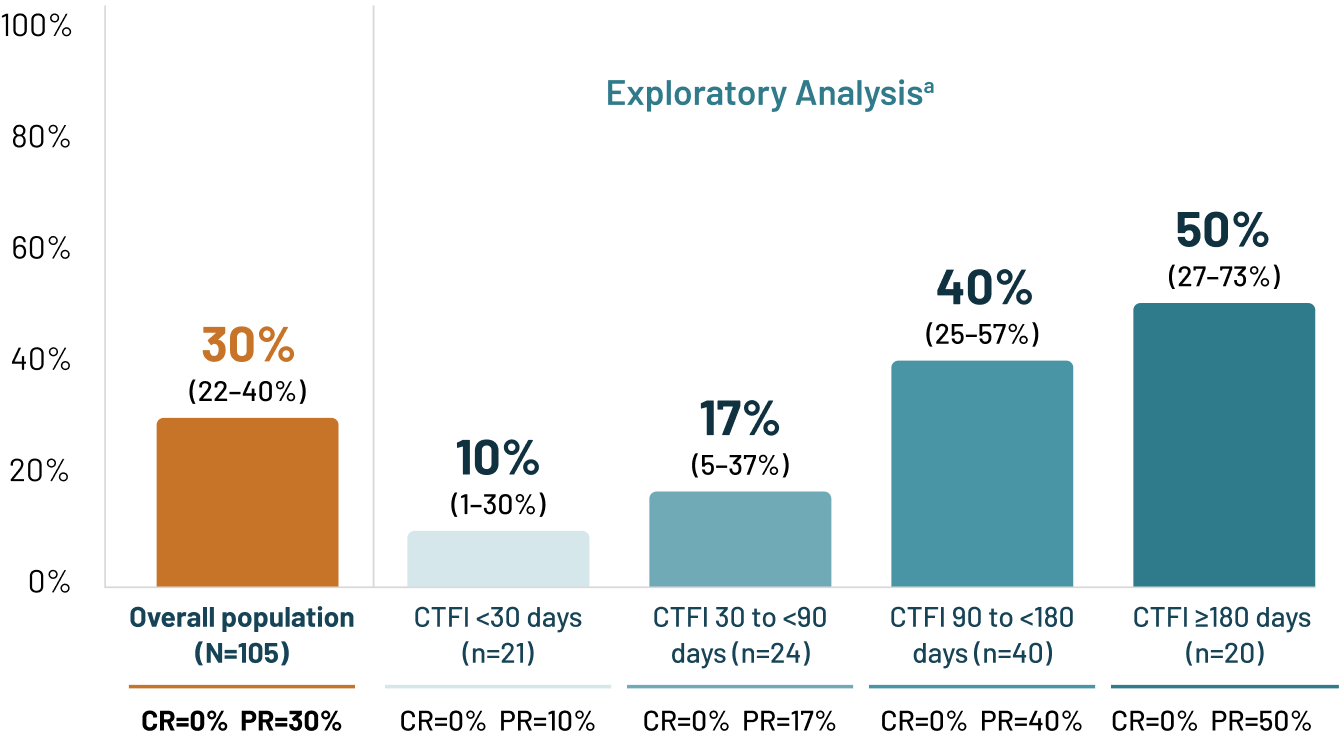
Of the 105 patients with SCLC administered ZEPZELCA in clinical studies, 37 (35%) patients were 65 years of age and older, while 9 (9%) patients were 75 years of age and older. No overall difference in effectiveness was observed between patients aged 65 and older and younger patients.
-
There was a higher incidence of serious adverse reactions in patients ≥65 years of age than in patients <65 years of age (49% vs. 26%, respectively). The serious adverse reactions most frequently reported in patients ≥65 years of age were related to myelosuppression and consisted of febrile neutropenia (11%), neutropenia (11%), thrombocytopenia (8%), and anemia (8%). There was a higher incidence of Grade 3 or 4 adverse reactions in patients ≥65 years of age compared to younger patients (76% vs. 50%, respectively).
HEPATIC IMPAIRMENT
Avoid administration of ZEPZELCA in patients with severe hepatic impairment. If administration cannot be avoided, reduce the dose. Monitor for increased adverse reactions in patients with severe hepatic impairment.
Reduce the dose of ZEPZELCA in patients with moderate hepatic impairment. Monitor for increased adverse reactions in patients with moderate hepatic impairment.
No dose adjustment of ZEPZELCA is recommended for patients with mild hepatic impairment.
INDICATIONS
ZEPZELCA (lurbinectedin) for injection 4 mg, in combination with atezolizumab or atezolizumab and hyaluronidase-tqjs, is indicated for the maintenance treatment of adult patients with extensive-stage small cell lung cancer (ES-SCLC) whose disease has not progressed after first-line induction therapy with atezolizumab or atezolizumab and hyaluronidase-tqjs, carboplatin and etoposide.
ZEPZELCA (lurbinectedin) for injection 4 mg, as a single agent, is indicated for the treatment of adult patients with metastatic small cell lung cancer (SCLC) with disease progression on or after platinum-based chemotherapy. This indication is approved under accelerated approval based on overall response rate and duration of response. Continued approval for this indication may be contingent upon verification and description of clinical benefit in a confirmatory trial(s).
Please see full
Prescribing Information.